
精梳毛织品检测数据解析:31466/7042面料与企业团体职业装选型
- 信息作者:职业装定做厂家
- 信息来源:米兰弘服装公司
- 发表时间:2026-11-27 11:27:25
- 有效时间:2049-12-30 21:00:00
- 访问人数:51 次
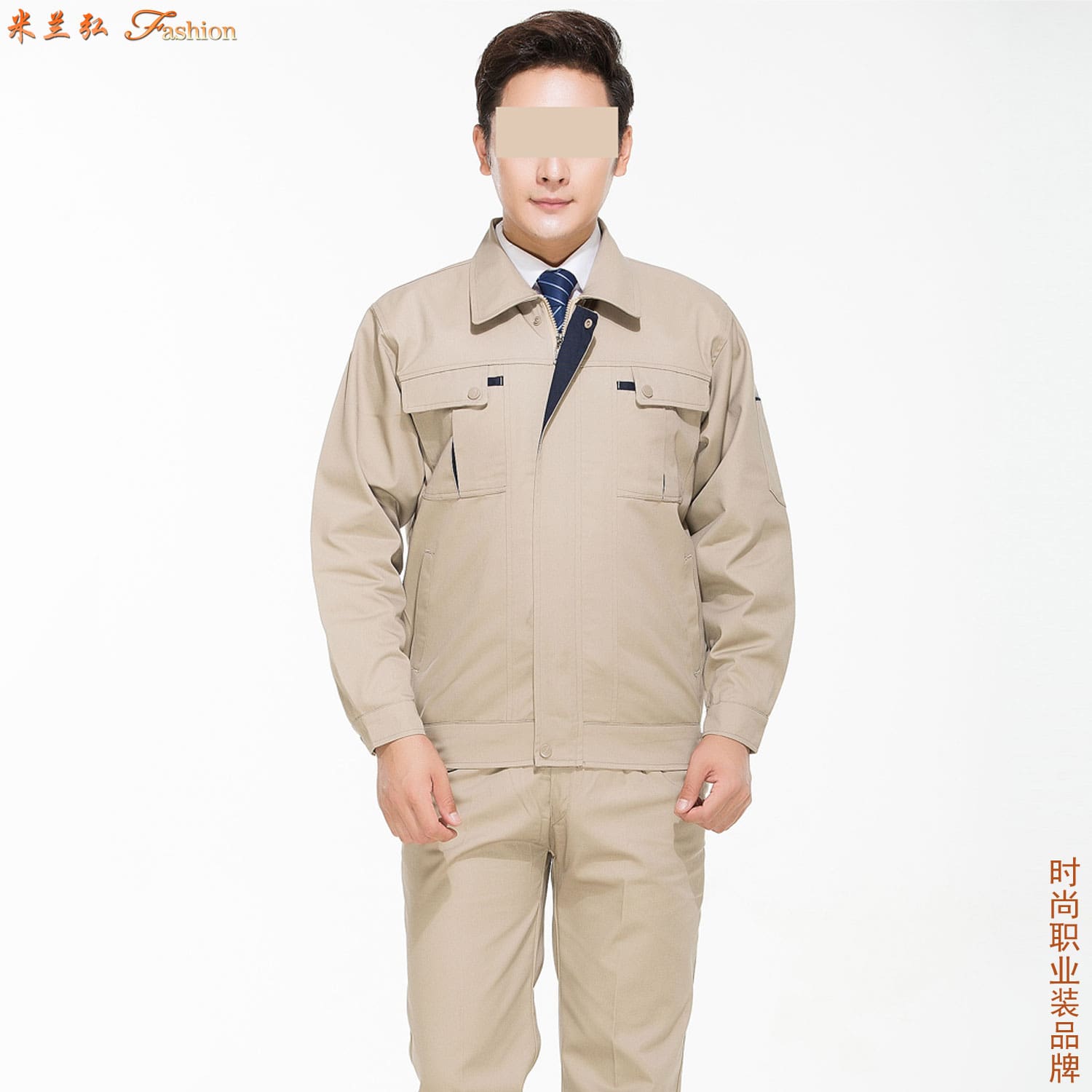
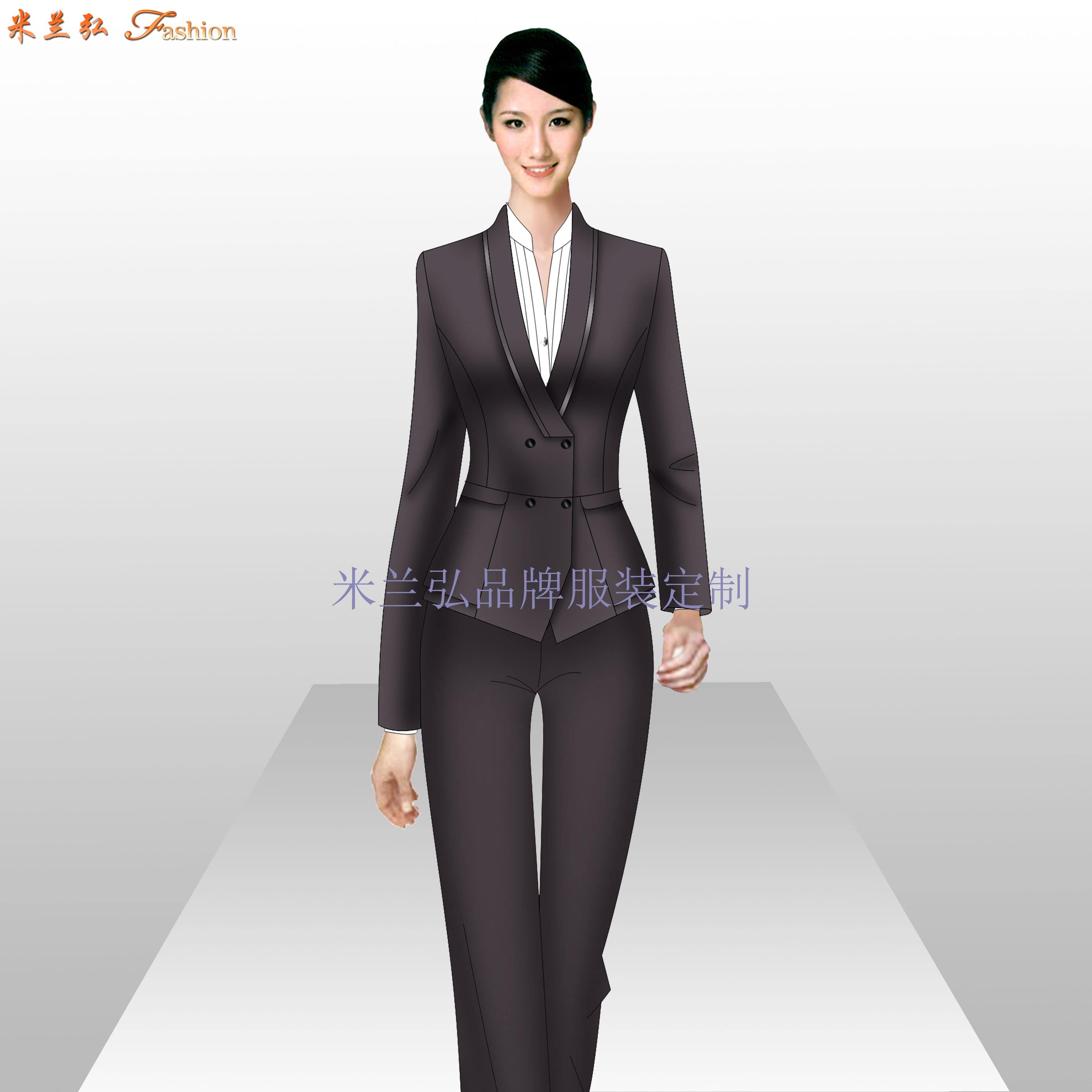
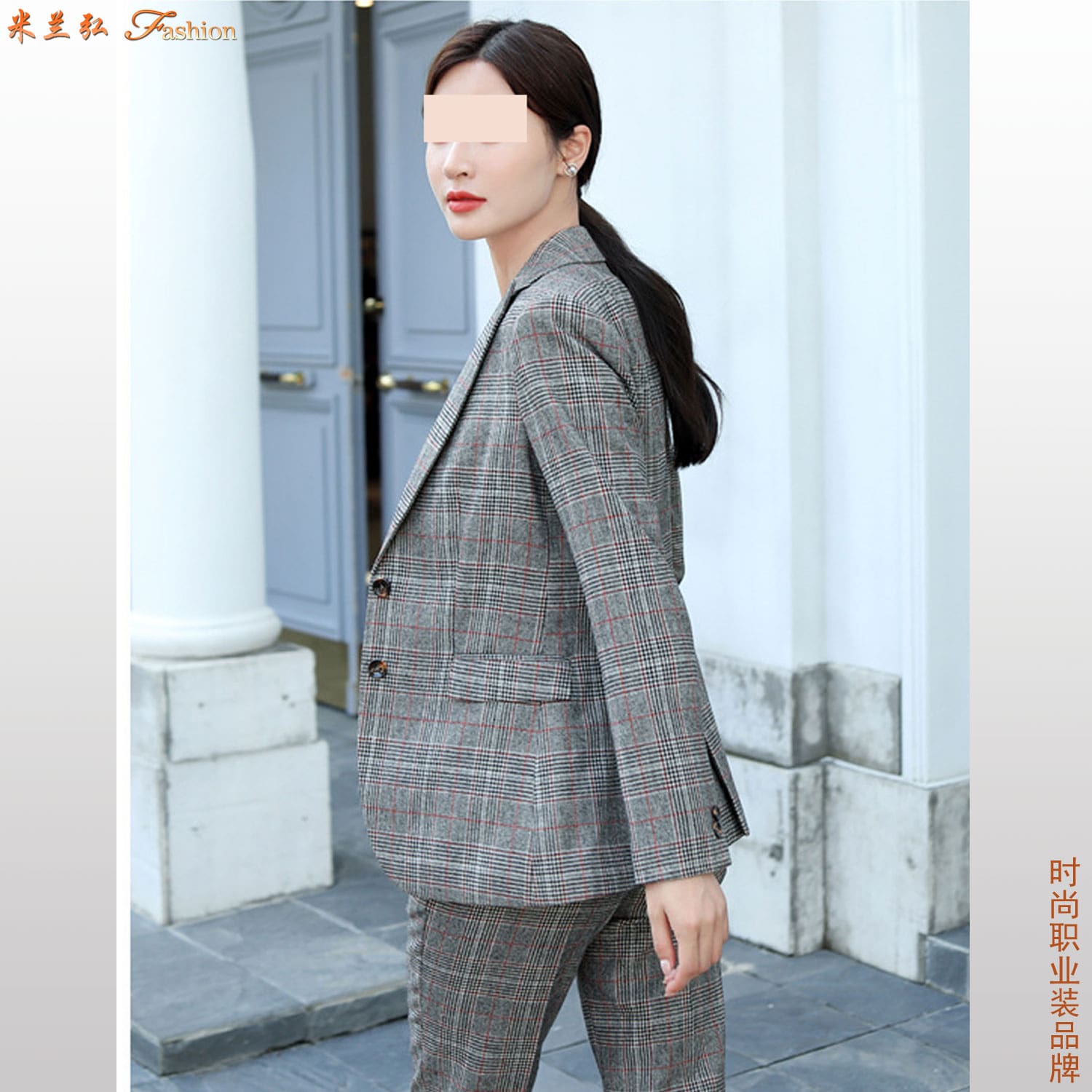
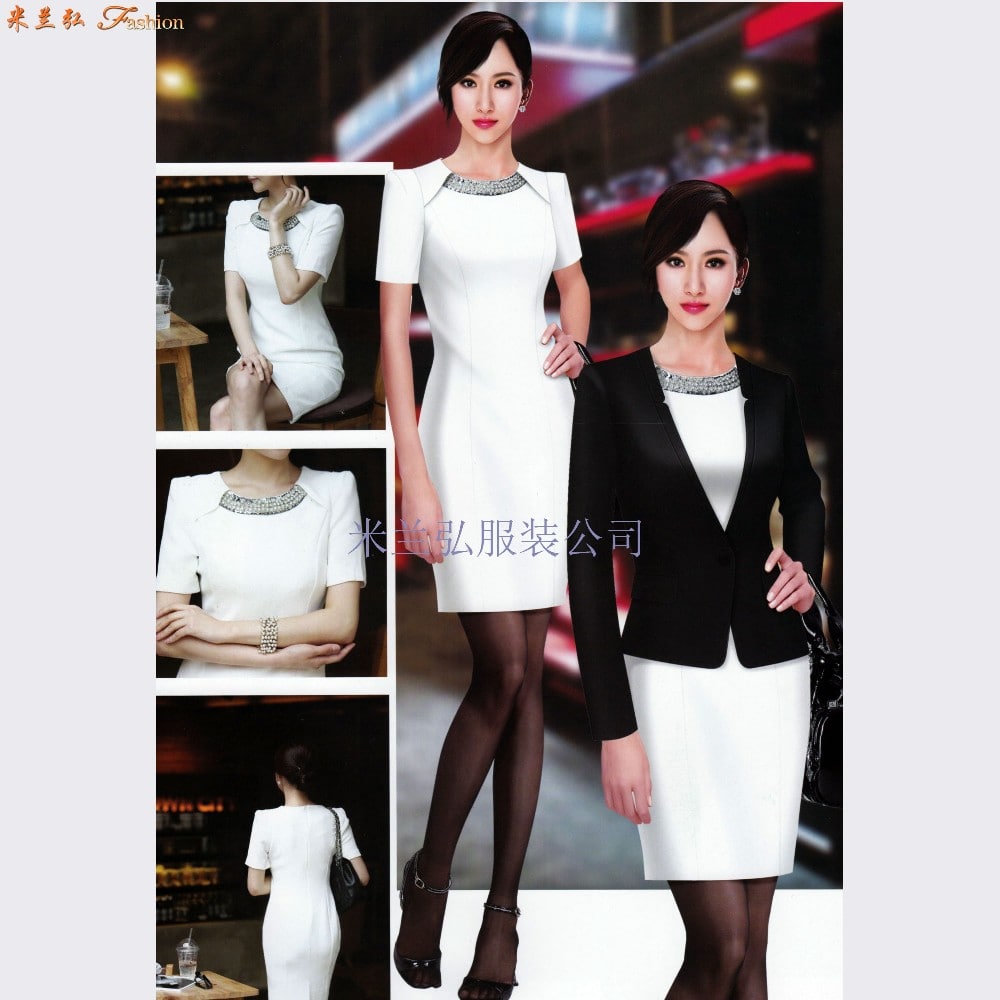
米兰弘服装公司发布:精梳毛织品检测数据解析:31466/7042面料与企业团体职业装选型Reading the Test Data of a Worsted Wool Fabric: Shade 31466/7042 and Fabric Selection for Corporate Uniforms相关图片,我们官网上发布了各行业各类岗位的职业装设图片1万多款式,设计师不定期发布新的工作服款式到此网上。您想要了解更多相关图片资讯,欢迎随时联系我们!
一、检验报告概况
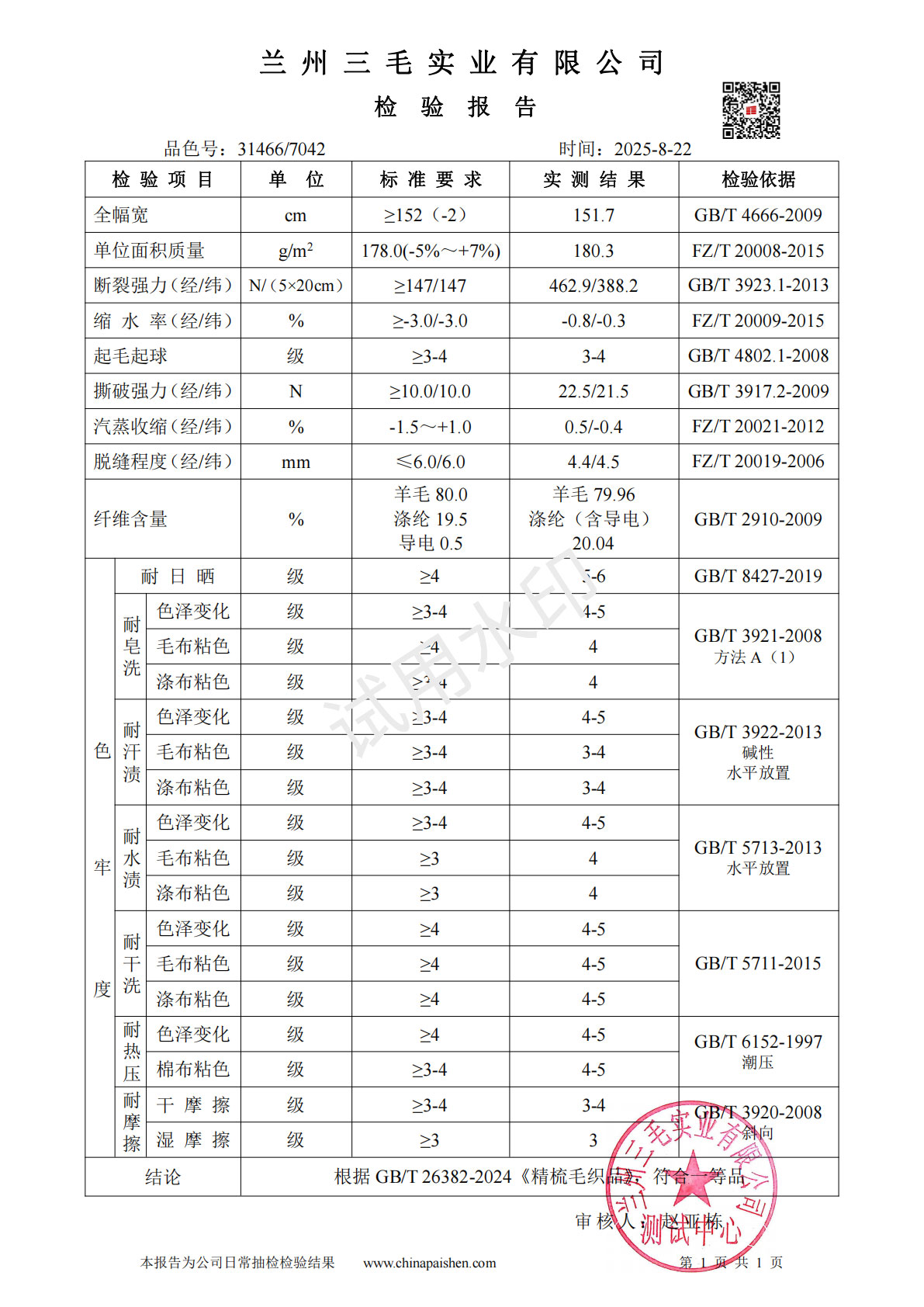
兰州三毛实业有限公司于2025年8月22日出具检验报告,品色号为31466/7042。报告覆盖幅宽、克重、强力、缩水、汽蒸收缩、脱缝、起毛起球、纤维含量及多项色牢度指标,并分别标注检验依据,如全幅宽按GB/T 4666-2009、断裂强力按GB/T 3923.1-2013、纤维含量按GB/T 2910-2009等。报告结论为:根据GB/T 26382-2024《精梳毛织品》,符合一等品要求。该报告属公司日常抽检结果,仅对送检样品有效,大批量采购应结合大货抽检资料核验。
二、纤维成分与规格参数
纤维含量实测为羊毛79.96%、涤纶(含导电)20.04%,标准栏标注羊毛80.0%、涤纶19.5%、导电0.5%。接近八成羊毛的配比,使面料手感柔软、悬垂自然,成衣外观相对内敛;约两成涤纶的加入,可改善纯毛织物易皱、尺寸稳定性偏弱的问题,日常通勤更易打理。少量导电纤维按GB/T 2910-2009计入纤维含量,为减少静电积聚提供基础条件;但服装是否达到防静电服等级,仍需按GB 12014-2019等专门标准另行检测判定,本报告的纤维成分结论不能替代防护性能检测。
规格方面,全幅宽实测151.7cm,标准要求≥152cm(允许公差-2cm);单位面积质量实测180.3g/m²,标准值178.0g/m²(允许-5%~+7%),克重适中,适合春秋季西服及四季通用款。
三、强力、尺寸稳定性与色牢度
物理指标方面,断裂强力实测经向462.9N、纬向388.2N,标准要求≥147N;撕破强力经向22.5N、纬向21.5N,标准要求≥10.0N;水洗缩水率经向-0.8%、纬向-0.3%,标准限值-3.0%;汽蒸收缩经向0.5%、纬向-0.4%,标准区间-1.5%~+1.0%;脱缝程度经向4.4mm、纬向4.5mm,标准限值≤6.0mm;起毛起球3-4级,达到标准≥3-4级的要求。这组数据意味着:成衣经裁剪、缝制、整烫后不易出现纱线断裂与尺寸走样,批量尺码一致性较易控制。
色牢度方面,耐日晒5-6级(标准≥4级),耐皂洗色泽变化4-5级、毛布与涤布粘色均4级,耐汗渍色泽变化4-5级、粘色3-4级,耐水渍色泽变化4-5级、粘色4级,耐干洗与耐热压均为4-5级,干摩3-4级、湿摩3级,均符合标准要求。对于动辄二三十套以上的团体订单,色牢度直接关系到批次间的色差表现与干洗护理后的外观保持,该组数据可供采购方在评标、验样环节核对。
四、面辅料配套与米兰弘定制建议
米兰弘在团体职业装定制中可选用该款一等品精梳毛织品制作企业西服与商务大衣。面料之外,辅料的匹配同样影响成衣寿命:衬布缩率需与主面料接近,缝纫线强度与线号需与面料克重适配,里布、纽扣、拉链按使用频次与洗涤方式选型,避免主料稳定而辅料先失效。生产环节可针对精纺毛织物特性安排预缩、归拔与蒸烫定型,使成衣领面、驳头、袖笼线条保持平顺。
服务流程上,可提供面料色卡与检验报告供采购方核验归档,支持样衣打样并封存作为大货验收依据;支持上门集体量体,对特殊体型单独建档,兼顾版型观感与活动余量。订单20套即可起订,大批量可享阶梯优惠,报价、工期与售后条款写入正式合同,交付后按规定期限提供不合体调整与质保对接。
五、选型提示
企业选型时,建议按岗位与穿着频次区分:对外接待、商务洽谈岗位可选该款克重的精纺毛织物,高频外勤岗位可考虑更耐磨的混纺方案。同时应留意报告性质,将检验依据、实测值与结论一并留存,并在大货到厂环节按比例抽检复核。
数据来源:兰州三毛实业有限公司检验报告(品色号31466/7042,2025年8月22日),属公司日常抽检,仅对送检样品有效;本文标准编号均取自该报告。
Overview of the Test Report
Lanzhou Sanmao Industrial Co., Ltd. issued a test report on 22 August 2025 for shade 31466/7042. The report lists, item by item, full width, mass per unit area, breaking strength, tear strength, shrinkage, steam shrinkage, seam slippage, pilling, fibre content, and colour fastness to light, soaping, perspiration, water, dry cleaning, hot pressing and rubbing, each with its own test basis: full width to GB/T 4666-2009, mass per unit area to FZ/T 20008-2015, breaking strength to GB/T 3923.1-2013, fibre content to GB/T 2910-2009, and so on. The conclusion states that, in accordance with GB/T 26382-2024 Worsted Fabrics, the sample meets the first-grade requirement. It should be noted that this report is a result of the company’s routine sampling inspection and is valid only for the submitted sample; bulk purchases should be verified together with sampling data from the production lot.
Fibre Composition and Specification Parameters
Measured fibre content is 79.96% wool and 20.04% polyester (including conductive fibre), while the standard column lists 80.0% wool, 19.5% polyester and 0.5% conductive fibre. A wool share close to 80% gives the fabric a soft hand, natural drape and a relatively understated appearance in garment form. The addition of roughly 20% polyester mitigates the wrinkle-prone nature and limited dimensional stability of pure wool, making daily wear easier to maintain. The small amount of conductive fibre, counted within the fibre content under GB/T 2910-2009, provides a basic condition for reducing static accumulation. Whether a garment reaches anti-static clothing grade must still be determined separately under dedicated standards such as GB 12014-2019; the fibre content conclusion in this report does not replace protective performance testing.
In terms of specification, measured full width is 151.7 cm against a requirement of no less than 152 cm with a tolerance of -2 cm, which falls within the permitted range. Measured mass per unit area is 180.3 g/m² against a nominal 178.0 g/m² with a tolerance of -5% to +7%, a moderate weight suited to spring-and-autumn suits and to all-season styles.
Strength, Dimensional Stability and Colour Fastness
For physical indicators, measured breaking strength is 462.9 N in the warp and 388.2 N in the weft against a requirement of no less than 147 N; tear strength is 22.5 N and 21.5 N against a requirement of no less than 10.0 N; washing shrinkage is -0.8% in the warp and -0.3% in the weft against a limit of -3.0%; steam shrinkage is 0.5% and -0.4% against a range of -1.5% to +1.0%; seam slippage is 4.4 mm and 4.5 mm against a limit of 6.0 mm; and pilling reaches grade 3-4, meeting the requirement of grade 3-4 or better. In practice, these figures mean that after bulk cutting, sewing and pressing the garments are less likely to suffer yarn breakage or dimensional drift, size consistency across a batch is easier to hold, and pilling under long-term friction remains comparatively controlled.
For colour fastness, results are grade 5-6 to light (requirement grade 4 or better), grade 4-5 colour change after soaping with grade 4 staining on wool and polyester, grade 4-5 colour change after perspiration with grade 3-4 staining on both, grade 4-5 colour change after water with grade 4 staining, grade 4-5 after dry cleaning, grade 4-5 after hot pressing, grade 3-4 dry rubbing and grade 3 wet rubbing, all meeting the standard. For group orders of twenty to thirty sets or more, colour fastness directly affects shade consistency between batches and appearance retention after dry cleaning, and these measured values can be checked by purchasing teams during tender evaluation and sample approval.
Fabric and Accessory Matching, and Customization Advice
For group uniform programmes, Milanhong can use this first-grade worsted wool fabric for corporate suits and business overcoats. Beyond the shell fabric, accessory matching also affects garment life: interlining shrinkage should be close to that of the shell fabric, sewing thread strength and ticket number should suit the fabric weight, and lining, buttons and zips should be selected according to wear frequency and washing method, so that stable shell fabric is not undermined by accessories that fail first. In production, preshrinking, ironing over shaped blocks and steam setting can be scheduled according to the characteristics of worsted wool, helping collar, lapel and armhole lines stay smooth.
On service, fabric colour cards and the test report can be supplied for verification and archiving, sample garments can be made and sealed as the acceptance reference for bulk production, and on-site group measuring is available with separate records for special body types, balancing appearance and freedom of movement. Orders start at 20 sets, volume orders qualify for tiered pricing, and quotations, lead times and after-sales terms are written into the formal contract; within the agreed period after delivery, fit adjustments are provided together with a designated warranty contact. The above is subject to the actual contract.
Selection Notes
When selecting, enterprises are advised to differentiate by post and wearing frequency: this weight of worsted wool suits reception and business negotiation roles, while higher-frequency field roles may call for a more abrasion-resistant blend. Attention should also be paid to the nature and currency of the report: retain the test basis, measured values and conclusion together, and carry out proportional spot checks when the bulk goods arrive, so that a complete technical procurement file is formed.
Data source: test report of Lanzhou Sanmao Industrial Co., Ltd., shade 31466/7042, dated 22 August 2025; a routine sampling result of the company, valid only for the submitted sample. All standard numbers and test bases cited here are taken from that report.
上一篇:TX1103安全鞋检测说明报告
下一篇:没有了!
- 2026-11-27精梳毛织品检测数据解析:31466/7042面料与企业团体职业装选型
- 2026-11-26TX1103安全鞋检测说明报告
- 2026-10-07黑色单顺大衣面料检测说明
- 2026-09-28涤棉防酸碱防静电细斜面料检测说明
- 2021-12-20省机场集团地勤服设计方案
- 2021-12-20国际俱乐部职业装设计方案
.jpg)
.jpg)
.jpg)